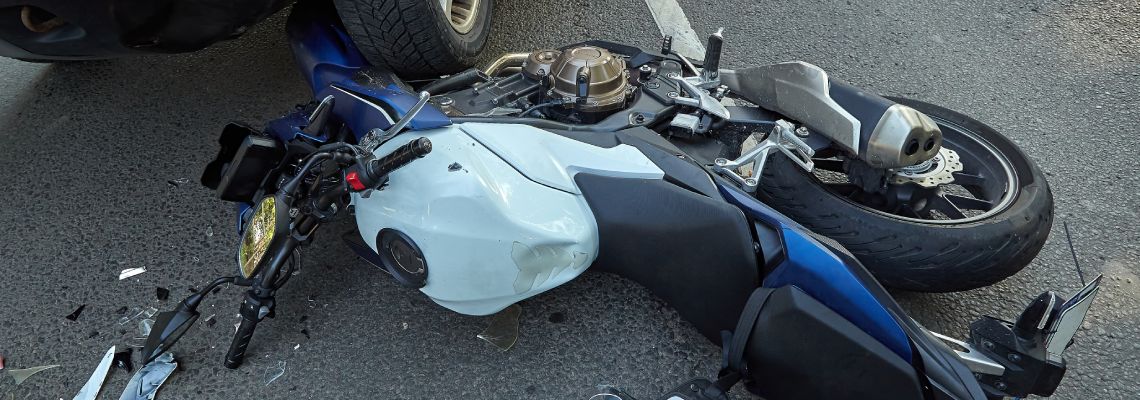
You were riding between lanes when a driver moved into your path, and now you may be blamed for the crash simply because you were lane splitting. In California, however, lane splitting is legal, and doing it does not automatically make you responsible for an accident. Fault depends on how the collision happened and the conduct of both the rider and the other driver. You may still have a claim if another driver's negligence contributed to your injuries.
Antaramian Law, APC represents injured motorcycle riders in Los Angeles and throughout California, including Riverside, San Bernardino County, Orange, Ventura, and Kern Counties. If another driver hit you while you were lane splitting, the firm can investigate the collision, address disputes over fault, and handle communications with the insurance company.
Is Lane Splitting Legal in California?
Yes. California law defines lane splitting as riding a two-wheeled motorcycle between rows of stopped or moving vehicles in the same lane, including on divided and undivided streets, roads, and highways.
The California Highway Patrol (CHP) states that lane splitting is legal and provides safety guidance for riders who choose to do it. CHP advises riders to consider the overall traffic environment, including lane width, surrounding vehicles, road and weather conditions, lighting, overall speed, and the difference between the motorcycle's speed and nearby traffic.
These are safety considerations rather than fixed speed limits specifically established for lane splitting. Legality is also different from fault. A rider can legally split lanes and still have their conduct examined after a crash.
How Is Fault Determined After a Lane-Splitting Accident?
Being involved in a crash while lane splitting does not by itself make you responsible for the collision. What the rider and driver were doing immediately before the crash matters. Instead, fault depends on what the rider and other driver did and whether either person's actions contributed to the crash.
A driver might change lanes without seeing a motorcycle approaching between vehicles, drift into the rider's path, or make another sudden movement. The rider's actions can also be considered, including speed, position, visibility, and the surrounding traffic conditions.
California also provides protections for riders who legally split lanes. CHP states that motorists may not intentionally block or impede a motorcyclist in a way that could cause harm to the rider.
Preserving this information can be especially valuable when the driver and rider give different accounts of what happened. These details may also become important when an insurer disputes responsibility for a motorcycle accident claim.
Can You Recover Compensation If You Were Partly at Fault?
Yes, potentially. California uses a pure comparative-fault system. That means being partly responsible for an accident does not automatically prevent you from recovering damages, although your recovery can be reduced according to your share of fault.
For example, if you sustained $100,000 in damages but were found 25% responsible for the collision, your damages would generally be reduced by 25%.
For a lane-splitting rider, this means an insurer's claim that your riding contributed to the collision does not necessarily end your case. The evidence still matters in determining how responsibility should be divided.
What Should You Do After a Lane-Splitting Crash?
Start by addressing your injuries. Seek appropriate medical care, particularly if you were thrown from the motorcycle or struck a vehicle or the roadway.
If you can do so safely, preserve evidence from the scene. Photograph the motorcycle, other vehicles, roadway, and visible injuries. Get contact information from witnesses and keep medical bills, repair estimates, employment records, and other documents connected to the crash.
You should also be cautious about giving detailed statements about fault to an insurance company before the circumstances of the collision have been investigated. Statements about your speed, position, or actions may become part of the insurer's evaluation of the claim.
Keep records that document both the collision and its effects on you. Evidence such as video, witness accounts, and vehicle damage may help establish how the crash happened, while medical records, wage information, and other financial documents can show the losses that followed.
Insurers May Dispute How the Crash Happened
Even though lane splitting is legal, an insurer may argue that the rider's actions contributed to the collision. That can make evidence about the moments before impact particularly important.
Video, witness accounts, vehicle damage, traffic conditions, and the location of the impact may help resolve competing versions of the crash. Medical and employment records can serve a different purpose by documenting the injuries and financial consequences that followed.
Keeping both types of evidence can help establish not only how the collision happened but also how it affected you afterward.
What Compensation May Be Available?
Compensation depends on the injuries, financial losses, available insurance coverage, and each party's share of fault. Depending on the circumstances, a motorcycle accident claim may seek compensation for medical expenses, lost income, motorcycle damage, pain and suffering, and other losses caused by the collision.
More serious injuries may also affect future medical needs, earning ability, or daily activities. Those losses should be supported by appropriate medical, employment, and financial evidence.
The fact that you were lane splitting does not, by itself, determine what your claim is worth. The evidence concerning fault and your documented losses must be considered together.
Get Help With a Disputed Lane-Splitting Accident Claim
When an insurer questions your actions before a lane-splitting crash, evidence can become central to establishing what actually happened. Antaramian Law, APC can investigate the collision, evaluate disputed fault, document your losses, and handle the insurance claim.
Attorney Andrew Antaramian founded Antaramian Law, APC after spending nearly a decade defending insurance companies and their insureds in personal injury claims and lawsuits. His background gives him firsthand experience with how insurers investigate accidents, evaluate injuries, and approach disputed claims.
If you were injured while lane splitting in California, including Los Angeles, Riverside, San Bernardino, Orange, Ventura, or Kern Counties, contact the firm for a free consultation about your motorcycle accident claim and your options for moving forward.