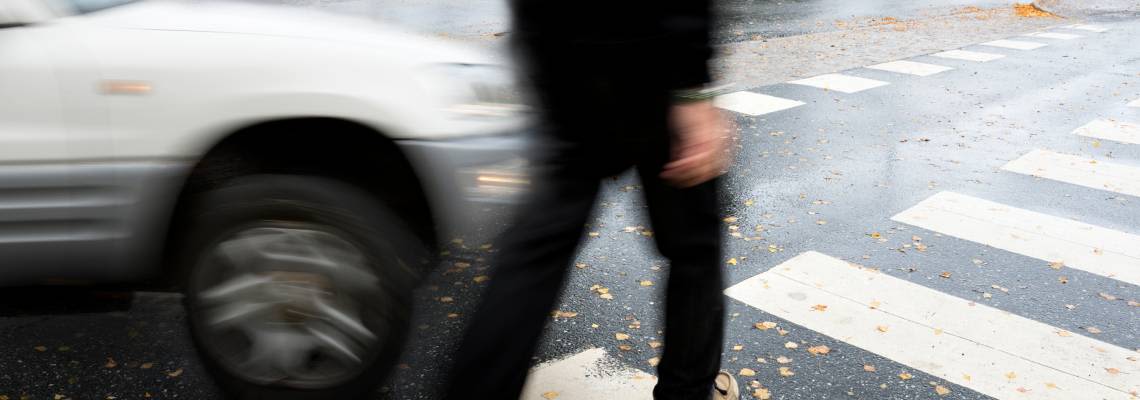
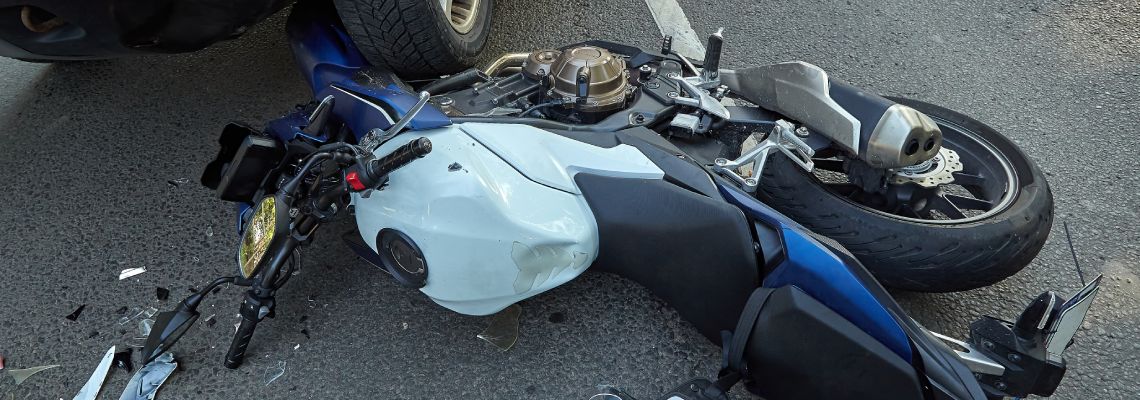
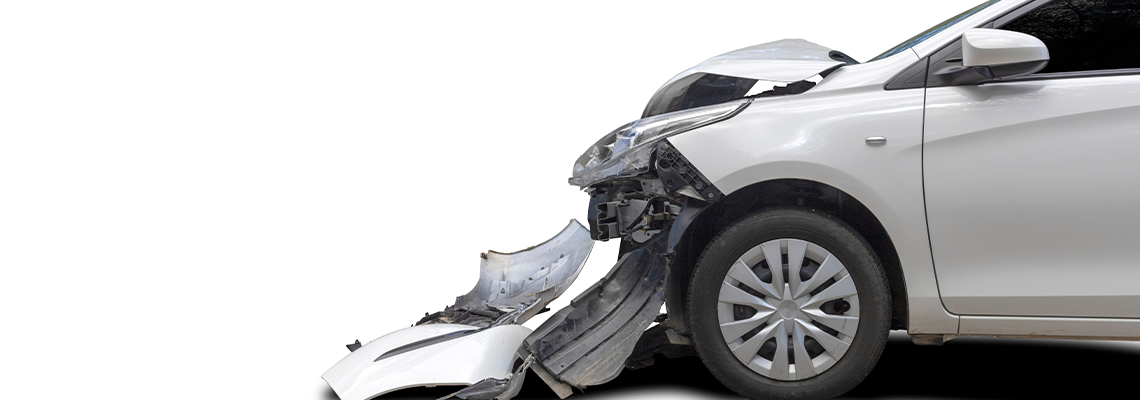
After a vehicle strikes you, call for emergency assistance, obtain medical care, report the collision, and document the scene if you can do so safely. Collect the driver’s information, preserve damaged belongings, and avoid giving a detailed insurance statement until you understand your rights. These steps can protect your health and preserve evidence that may be needed later.
Antaramian Law, APC helps pedestrians injured in Los Angeles and other Southern California communities evaluate insurance claims and potential legal options. If you or a loved one was struck by a vehicle, contact the firm to discuss the collision and the next steps.
Seek Medical Care and Report the Collision
Medical attention should come first after a pedestrian accident. Call 911 when emergency treatment is needed or arrange an examination as soon as reasonably possible. Head trauma, internal injuries, fractures, and soft-tissue damage may not be immediately apparent.
Tell the medical provider that a vehicle struck you and describe all symptoms. Medical records can document the timing, diagnosis, and treatment associated with the collision.
Ask law enforcement to respond and prepare a report. Provide accurate information, but avoid estimating speed, distance, or other details you did not clearly observe. If the driver leaves, report the hit-and-run immediately and share any available description, license plate information, or witness details.
Preserve Evidence from the Scene
Scene evidence can help establish where the collision occurred and how the driver and pedestrian were moving. If your injuries prevent you from gathering it, ask a trusted person to help when possible.
Photograph or record:
Obtain the driver’s name, contact information, and insurance details. Collect witness names and contact information as well.
Keep the clothes and shoes worn during the collision without washing or repairing them. Preserve damaged phones, bags, bicycles, or other property. Nearby surveillance footage may be overwritten, so potential camera locations should be identified promptly.
What Rights Do Pedestrians Have in California?
California drivers generally must yield to pedestrians crossing within marked crosswalks and unmarked crosswalks at intersections. Drivers approaching a pedestrian in a crosswalk must exercise due care and reduce speed or take other action when necessary to protect the pedestrian.
A crosswalk does not always require painted lines. California law recognizes certain unmarked crosswalks where sidewalk boundary lines extend across an intersection.
Pedestrians also must use reasonable care. They may not suddenly enter the path of a vehicle that is close enough to create an immediate hazard. A pedestrian crossing outside a marked or unmarked crosswalk generally must yield to approaching vehicles that present an immediate danger.
Even outside a crosswalk, however, drivers retain a duty to exercise due care for pedestrian safety. The location of the pedestrian is therefore only one part of the fault analysis.
Shared Fault Does Not Necessarily Prevent Recovery
California’s comparative fault system allows responsibility to be divided when more than one person contributed to a collision. An injured pedestrian may still pursue compensation even if the pedestrian is found partly responsible, although the recovery may be reduced according to the assigned percentage of fault.
An insurer might argue that the pedestrian crossed outside a crosswalk, was distracted, or entered the roadway unexpectedly. Evidence may also show that the driver was speeding, distracted, impaired, making an unsafe turn, violating a signal, or failing to keep a proper lookout.
Fault should be evaluated from the complete evidence rather than a single allegation. Police reports, witness accounts, photographs, surveillance footage, and vehicle information may all help reconstruct the collision.
Through pedestrian accident representation, Attorney Antaramian can investigate the circumstances, preserve available evidence, and respond to disputes concerning fault.
Document How the Injuries Affect Your Life
A pedestrian accident can create losses that continue beyond the initial emergency visit. Keep records of medical treatment, prescriptions, rehabilitation, transportation expenses, and damaged property.
If the injuries affect employment, preserve pay records, work schedules, and communications concerning absences, reduced hours, or modified duties. Also document assistance needed at home and activities you can no longer perform.
Follow reasonable treatment recommendations and report continuing or changing symptoms to medical providers. A personal journal can help record pain, sleep disruption, mobility restrictions, and recovery milestones that may not appear on a medical bill.
Be Careful When Dealing with Insurers
The driver’s insurer may request a recorded statement, medical authorization, or quick settlement. Provide accurate basic information but avoid guessing about fault or minimizing injuries before their full effects are known.
A broad medical authorization may allow access to records unrelated to the collision. A signed settlement release may end the claim even if additional treatment becomes necessary. Review any proposed settlement carefully before accepting it.
Social media posts can also be compared with medical records or claim statements. Avoid posting photographs, descriptions, or opinions about the collision while the matter remains unresolved.
California Deadlines Can Vary
California generally allows two years to file a personal injury lawsuit based on another person’s wrongful conduct or negligence. Exceptions may change how the deadline applies.
A much shorter deadline can apply when a public entity may be responsible. A claim involving personal injury or death generally must be presented to the public entity within six months after it accrues.
Government-related issues may arise when the collision involves a public vehicle, public employee, traffic-control device, or allegedly dangerous roadway condition. These claims have separate procedural rules, so the applicable deadline should be evaluated promptly.
Acting early also helps preserve evidence before video is overwritten, vehicles are repaired, or witnesses become difficult to locate.
Pedestrian Accidents Attorney Serving Los Angeles, California
After a pedestrian collision, dealing with insurers can become another burden layered on top of medical treatment and disrupted routines. Antaramian Law, APC, offers a calm setting where you can explain what happened and receive advice tailored to your goals.
Attorney Andrew Antaramian’s previous experience working with insurance companies provides insight into how they investigate and evaluate injury claims. He now uses that knowledge to assist people seeking recovery for themselves or an injured loved one.
From Los Angeles, the firm serves accident victims throughout California, including Riverside, San Bernardino, Orange, Ventura, and Kern Counties. Contact Antaramian Law, APC to help review the evidence, explain the available options, and help you determine what comes next.