A commercial truck crosses into your lane, leaving little room to avoid a head-on collision. Afterward, you may face medical treatment, missed work, and a dispute over who caused the crash. I
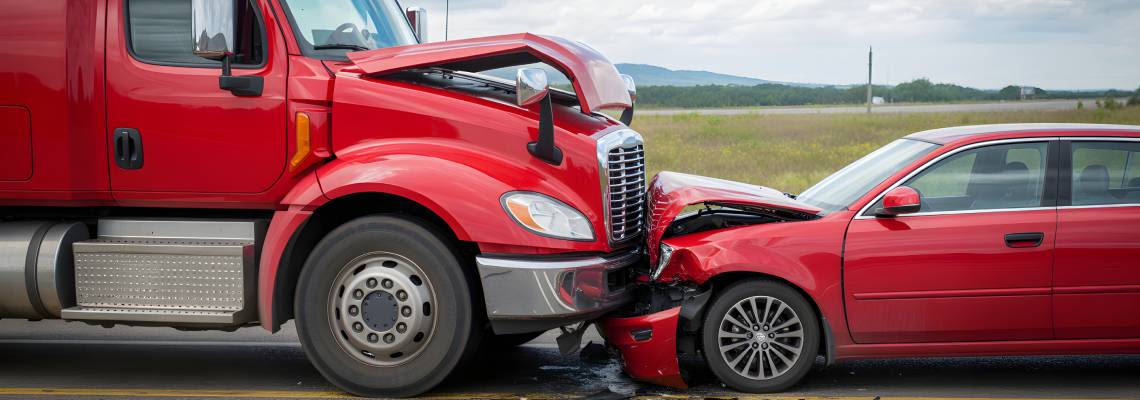
A commercial truck crosses into your lane, leaving you little time to avoid a head-on collision. Afterward, you may face medical treatment, missed work, and a dispute over who caused the crash.
In California, fault depends on evidence showing which parties acted negligently and how their actions contributed to the collision. The truck driver may be responsible, but a trucking company, maintenance provider, or another motorist may also share liability.
Antaramian Law, APC represents truck accident injury victims throughout California, including Los Angeles, California. The firm helps clients investigate the circumstances, identify potentially responsible parties, and evaluate their legal options.
A truck driver who crosses into oncoming traffic may be at fault for a head-on collision, particularly when the movement results from unsafe driving. However, the vehicles' positions alone do not establish why the crash happened.
California Vehicle Code Section 21650 generally requires drivers to stay on the right half of the roadway, with exceptions for lawful passing, left turns, and certain other circumstances.
A distracted driver who drifts across the centerline may violate that duty. The situation is different if another vehicle forces the truck into oncoming traffic or a mechanical failure causes a sudden loss of control.
Head-on truck collisions often occur when a driver loses control, enters the wrong lane, or makes an unsafe passing maneuver. Understanding the cause helps determine what evidence to gather and which parties may be responsible.
Potential causes include:
Fatigue: A truck driver who has been awake too long may drift across the roadway or react too slowly to correct course.
Distraction: Looking away from traffic to check a phone or navigation system can lead to an unintended lane departure.
Unsafe passing: A truck may enter oncoming traffic without enough space to complete the maneuver safely.
Excessive speed: Traveling too fast for a curve, weather conditions, or the road surface can contribute to a loss of control.
Impairment: Alcohol or drugs can affect a driver's judgment, coordination, and ability to respond.
Mechanical problems: Steering defects, tire failures, or other equipment problems may prevent a driver from maintaining control.
In a truck collision, this generally involves four elements: a duty to drive or act carefully, a breach of that duty, a causal connection between the breach and the collision, and resulting damages.
For example, evidence that a truck driver attempted to pass another vehicle without sufficient clearance may establish unsafe conduct. But the claim must also connect that maneuver to the impact and the resulting injuries.
A police report, traffic citation, or driver's statement may help explain what happened. None necessarily settles every question of civil liability. Physical evidence, witness accounts, and available electronic records may support or contradict the initial explanation.
Under respondeat superior, a trucking company may be vicariously liable for an employee driver's negligence committed within the scope of employment. Whether the driver is an employee or an independent owner-operator can affect that analysis, although the contractual label alone does not determine employment status. The company may also be liable for its own conduct.
Suppose a truck crosses the centerline because worn steering components fail. If the trucking company failed to conduct necessary inspections or arrange repairs, those failures may support a finding of negligence.
Other parties may also bear responsibility, depending on the evidence. A maintenance contractor could have performed faulty repairs, a manufacturer may have supplied a defective component, or another driver may have triggered the sequence of events.
Under California Civil Code Section 1431.2, also known as Proposition 51, each defendant generally pays only its proportionate share of non-economic damages, such as pain and suffering. Defendants generally remain jointly liable for economic damages, such as medical bills and lost wages, meaning one defendant may be responsible for the full recoverable amount.
Identifying the responsible parties matters because the available insurance coverage, evidence, and legal claims may differ for each defendant.
The strongest evidence often comes from sources that show the truck's movement immediately before the collision and explain why it entered the opposing lane.
Useful evidence includes:
Scene photographs and measurements: Road markings, debris, vehicle damage, and impact locations may help establish where the vehicles collided.
Witness accounts and video: Dashcam footage, traffic cameras, and independent witnesses may show which vehicle crossed the centerline.
Electronic vehicle data: Available onboard information may reveal speed, braking, or other activity before impact.
Driving and dispatch records: Hours-of-service logs and communications may help evaluate fatigue, scheduling, or driver decisions.
Inspection and maintenance records: Repair histories and component inspections may identify problems that contributed to a loss of control.
Because electronic records may be overwritten and damaged vehicles repaired or disposed of, promptly preserving evidence is essential to a truck accident injury claim. An attorney may request records and arrange inspections before information becomes unavailable.
California allows an injured person to recover damages even when their own negligence contributed to the collision. The amount is generally reduced by their percentage of fault. This rule, known as pure comparative negligence, was established by the California Supreme Court in Li v. Yellow Cab Co.
For example, suppose a truck attempts to pass unsafely while an approaching driver travels too fast for the road conditions. If both actions contributed to the crash, fault may be divided between the drivers. If the injured person's damages total $200,000 and they are found 20% responsible, their recovery would generally be reduced by $40,000, leaving $160,000.
An insurance company may argue that the injured driver could have avoided the collision or contributed to it by speeding or driving while distracted. Those arguments must be evaluated against the evidence. A shared-fault allegation does not automatically eliminate the right to compensation.
Depending on the circumstances, recoverable damages may include medical expenses, rehabilitation costs, future medical care, lost wages, reduced earning capacity, property damage, and pain and suffering.
For example, someone who cannot return to their previous job may face losses that extend well beyond the initial hospitalization. Medical documentation, employment records, and evidence of continuing limitations can help establish the extent of those damages.
California generally provides two years to file a personal injury lawsuit under Code of Civil Procedure Section 335.1. Exceptions may apply.
If a public entity may be responsible, such as when a government vehicle is involved, California's government claims process generally requires a personal injury claim to be presented within six months of accrual under Government Code Section 911.2, subject to exceptions.
Attorney Andrew Antaramian, founder of Antaramian Law, APC spent nearly a decade defending insurance companies and their insureds in personal injury cases. He and his firm now use that experience when representing injured people, investigating disputed truck collisions, evaluating liability arguments, and pursuing compensation.
If you were injured in a head-on truck collision, contact Antaramian Law, APC to discuss the evidence, potential liability, and your options for pursuing a claim with a Los Angeles truck accident attorney. The firm serves clients throughout California, including Los Angeles, Riverside, San Bernardino, Orange, Ventura, and Kern Counties.
A commercial truck crosses into your lane, leaving little room to avoid a head-on collision. Afterward, you may face medical treatment, missed work, and a dispute over who caused the crash. I
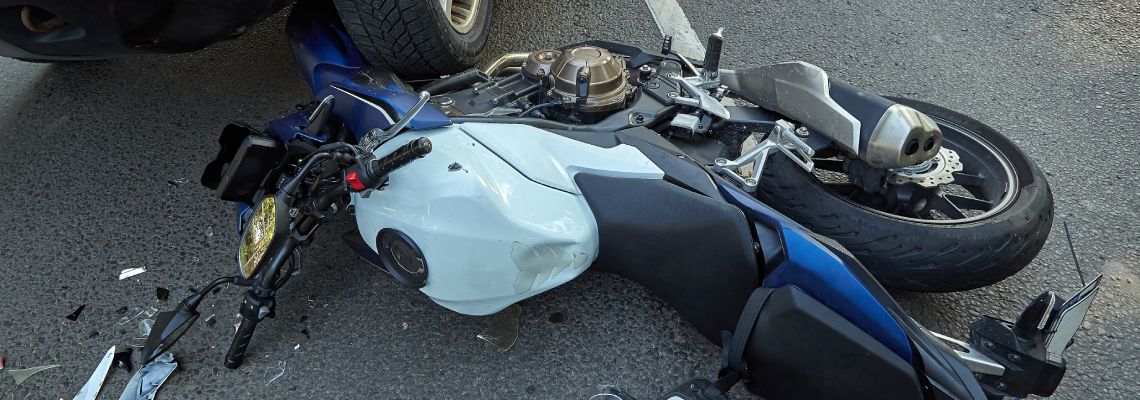
You were riding between lanes when a driver moved into your path, and now you may be blamed for the crash simply because you were lane splitting. In California, however, lane splitting is legal, and doing it does not automatically make you responsible for an accident.
After a vehicle strikes you, call for emergency assistance, obtain medical care, report the collision, and document the scene if you can do so safely. Collect the driver’s information, preserve damaged belongings, and avoid giving a detailed insurance statement until you understand your rights. These steps can protect your health and preserve evidence that may be needed later.